Date: October 2021
The Greek Women in Science symposium was an opportunity for women scientists to speak openly about their challenges and achievements, to inspire others, and to make their work more visible. It was a celebration of women in Science—specifically, Greek women in Science. A gathering for all those who, at some point, were told that Medicine, Mathematics, Engineering, Astrophysics, or Programming “weren’t for them,” yet years later, through persistence, hard work, and encouragement from the right people, found themselves in leading universities, research institutes, and companies around the world.
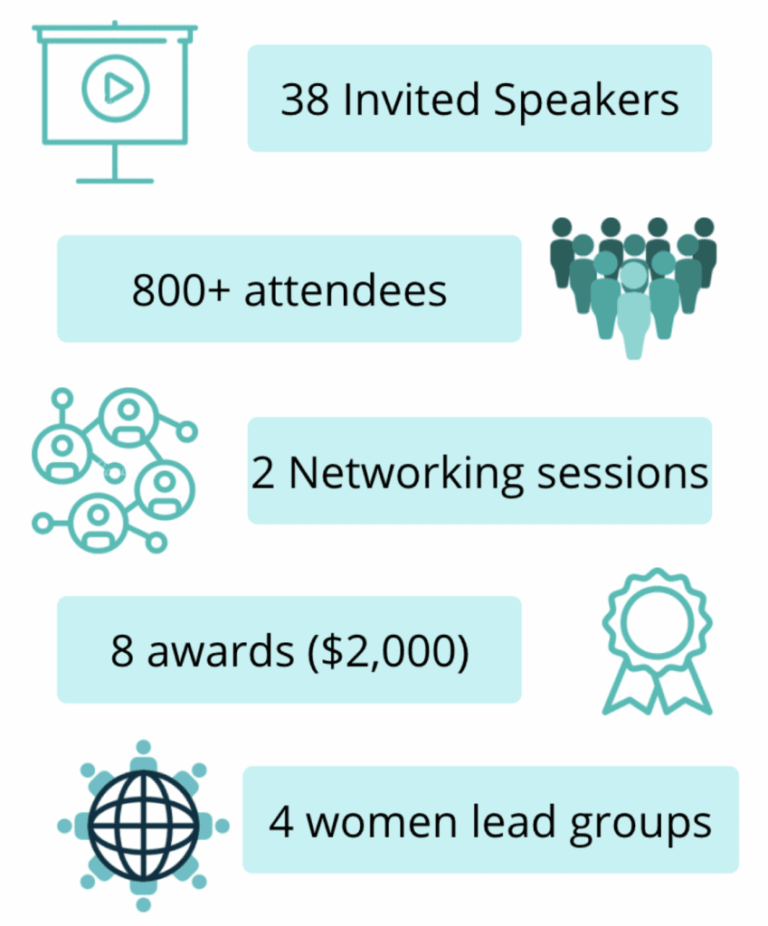
The idea for the symposium came from four organizations working toward equal opportunities in science and toward the day when women will be equally represented not only in lecture halls but also in laboratories, university leadership, and the boards of major technology companies. Greek Women in STEM, R.E.A.L. Science, Greek Girls Code, and Lean In Greece: Women in Tech joined forces in early October to organize a three‑day conference that allowed Greek women scientists to present their work and the latest developments in their fields. As one participant noted, the symposium left no room for excuses at future scientific conferences about the absence of women speakers.
Beyond networking and communication, participants gained inspiration, encouragement, and practical advice through the personal stories shared by the speakers—stories about the obstacles they faced, how they overcame them, and the internal and external ups and downs that come with being a woman in science.
Impostor Syndrome: A Shared Experience
Many speakers—despite being leaders in their fields—spoke candidly about struggling with impostor syndrome at various stages of their careers, even when they had all the skills and credentials. This was one of the most comforting and empowering realizations for younger attendees, including a middle‑school student, who often experience feelings of inadequacy or the belief that they are “not good enough.” As the symposium made clear, impostor syndrome affects women across all backgrounds and levels of achievement. It is a false belief that only sabotages us—and, fortunately, one that can be addressed. Creating spaces like this symposium, where women connect, network, and showcase their accomplishments, is one powerful way to combat it.
Career Advice and the Confidence Gap
One of the most revealing parts of the symposium was the career‑advice session. Many speakers highlighted the hesitation women often feel when applying for awards, speaking about their achievements, or even applying for a job if they do not meet every requirement.
“A man will apply even if he meets one out of ten criteria. A woman will not apply even if she meets nine out of ten, because she is missing that one,” one speaker noted. This lack of confidence is visible in job applications and cover letters, especially when compared to those of male candidates.
Katerina Rogga, Director of Risk Advisory at Deloitte Greece, emphasized that companies themselves often need to actively seek out women candidates for internships or open positions. “Companies have much to gain from the experience and soft skills that women bring to Science,” she said.
Practical advice was also shared—such as how to craft a strong CV: “Clear, simple, and highlighting soft skills like communication, teamwork, and adaptability.” Speakers reminded participants that a CV must stand out among hundreds and pass through HR screening before reaching the scientific lead who will make the final hiring decision.
Motherhood and Science: A Powerful Image
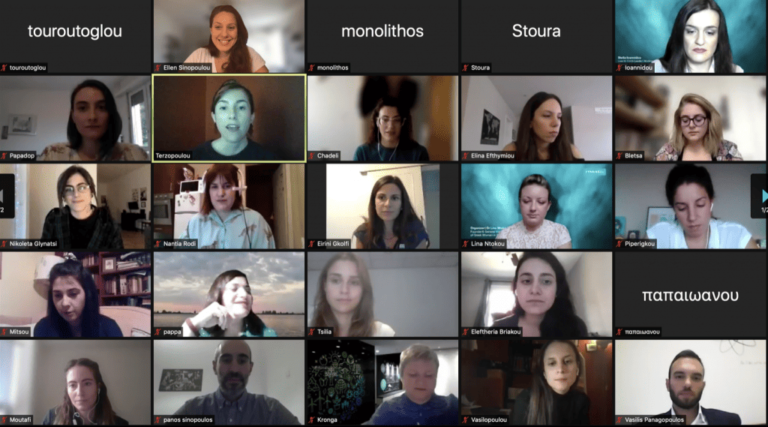
A particularly moving and empowering moment came when Marili Nika—AR/VR Product at Google, Teaching Fellow at Harvard Business School, and co‑founder of Geekettes—appeared on screen with her daughter, demonstrating that motherhood and science can coexist. Other speakers echoed this sentiment, sharing how seeing their own mentors and professors balance academic careers with family life gave them strength and encouragement.
The importance of female role models in Science was emphasized repeatedly. “You walk into a lab or a university classroom full of men, and no matter how capable you are, there are moments when you feel you don’t belong. That’s why girls need to see more women in Science.” This sentiment captured the essence of the entire three‑day symposium.
We warmly thank Generation Woman and Loukia Lykidi for the article.